
St. Christopher’s Addiction Recovery Wellness Center

Physical recovery is part of the emotional and psychological recovery process. The brain and body that addiction has spent years depleting need intentional, structured restoration alongside the clinical work of treatment. The evidence on this is clear: men who address their physical health during treatment have better mental health outcomes, fewer cravings, stronger sleep, and significantly better long-term sobriety rates.

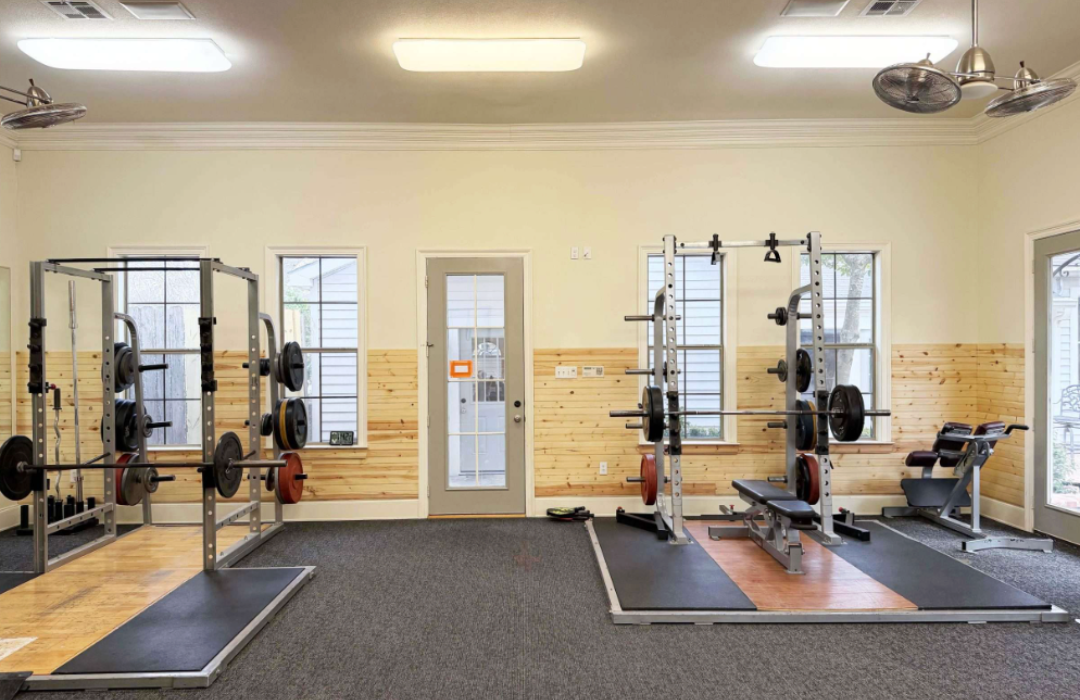
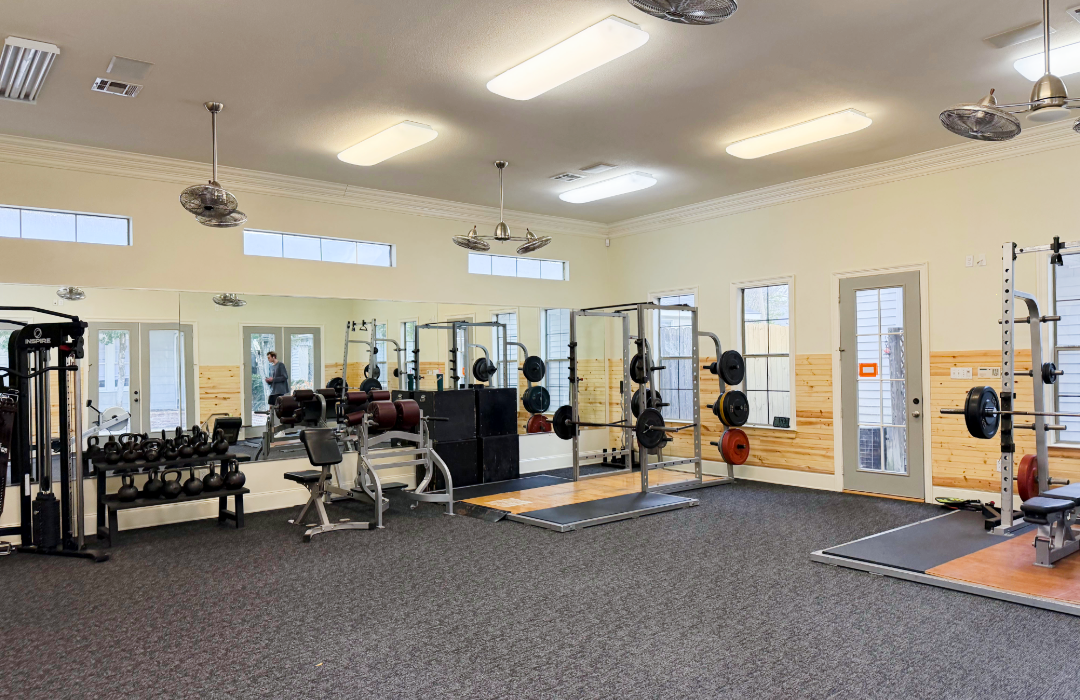
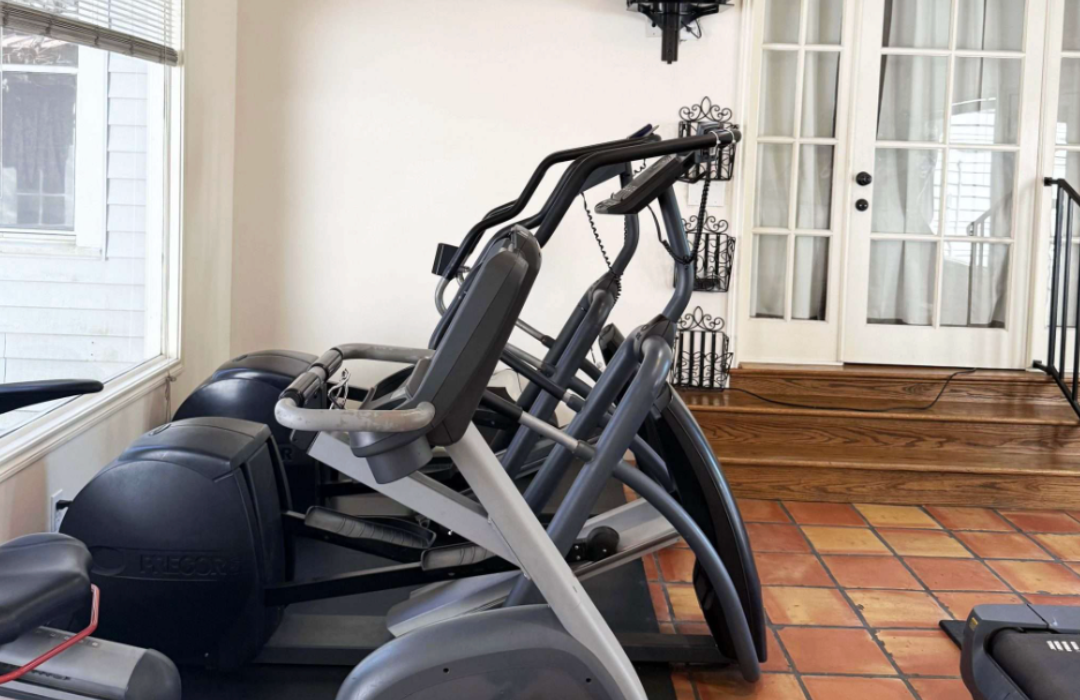
St. Christopher's Wellness Center is built around that evidence. It is a fully integrated component of our residential continuum, available to every client from their first days in treatment through their last, and designed by someone who has been exactly where they are.

26-STC-0211-Website83

The Wellness Program: Built From the Inside Out

The St. Christopher's Wellness Program is directed by Travis Weisbrod, a certified exercise physiologist, Master of Science in Kinesiology from Louisiana State University, and St. Christopher's alumnus. Travis completed our long-term treatment program in 2011. He came back the following year as a Recovery Advocate Supervisor and has been building and leading our Wellness Program ever since.

Travis holds certifications from four of the most respected credentialing bodies in exercise physiology and strength and conditioning: the American College of Sports Medicine, the National Strength & Conditioning Association, the National Academy of Sports Medicine, and the American Council on Exercise. He brings the full weight of that expertise to every client he works with, alongside the perspective of someone who has navigated exactly the physical and psychological territory they are walking through.

That combination, clinical mastery and lived experience, is what makes this program different.

Physical Fitness as a Foundation for Addiction Recovery

Most men arrive at St. Christopher's after years of physical neglect. Addiction is hard on the body. Poor nutrition, disrupted sleep, chronic stress, and physical inactivity accumulate over time in ways that compound the psychological dimensions of recovery and make early sobriety harder than it needs to be.

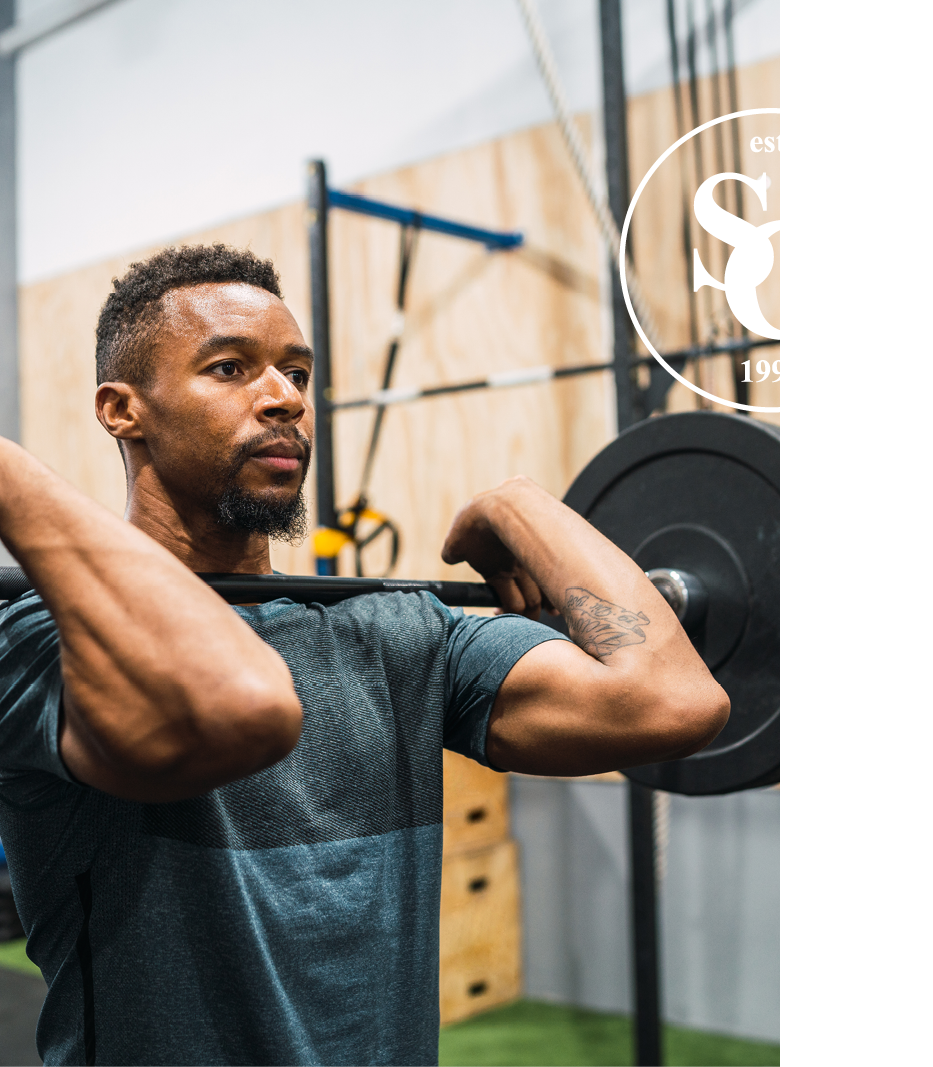
The Wellness Program begins with a thorough assessment of each client's current health, fitness level, and physical goals. Travis works directly with every client to build a customized exercise routine appropriate to their capabilities and designed to progress as their health and confidence grow.

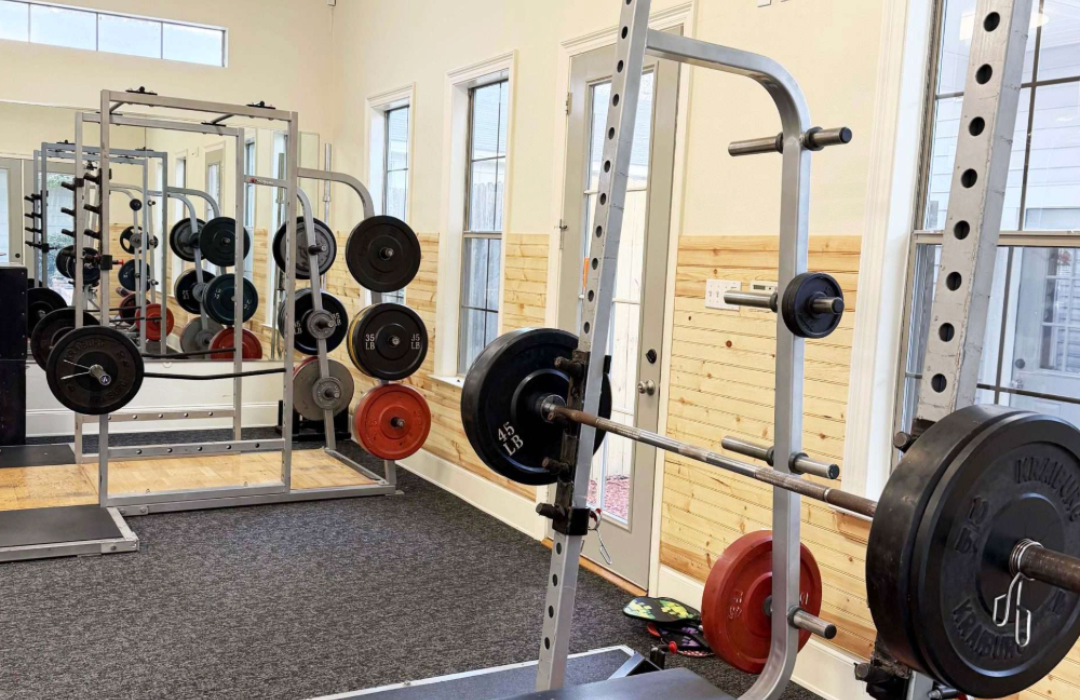
In the early phases of treatment, programming focuses on building routine and accountability through structured workouts, yoga, and foundational fitness training. As clients progress and demonstrate stability, the program expands to include recreational sports leagues including basketball, volleyball, and pickleball. Recreational activity builds social connection, restores a sense of competence and pleasure, and releases the dopamine and endorphins that reduce anxiety and cravings throughout the recovery process.

Exercise directly supports brain recovery. It reduces withdrawal symptoms, improves mood regulation, builds stress tolerance, and helps men develop a relationship with their physical health that supports sobriety long after formal treatment ends.

26-STC-0211-Website7

Nutrition & Mental Health in Recovery


Physical recovery also means feeding the body what it needs to function. Many men in early recovery experience mood instability, fatigue, difficulty concentrating, and persistent low energy, all of which can be directly tied to nutritional deficiencies that accumulated during active addiction. Addressing nutrition is a clinical necessity.


Every client at St. Christopher's receives a full nutritional evaluation and works with our wellness team to develop a sustainable meal plan tailored to their individual needs. We provide practical guidance on healthy eating, support for disordered eating patterns, and education around how specific foods affect mood, cognition, and behavior.


Cooking classes and group meal planning sessions help clients develop real-world skills they can carry into independent life, rebuilding a healthy relationship with food and the social rituals around it that addiction often disrupts.


Our wellness team also screens for supplement use and steroid history, both of which can meaningfully affect recovery. Hormone testing is available where indicated, and clients receive education on the risks of unregulated supplements alongside guidance toward safer, evidence-based options for long-term physical health.

26-STC-0211-Website7

Sleep Hygiene & Recovery


Sleep disruption is one of the most consistent and most underaddressed consequences of addiction. The brain cannot heal without restorative sleep, and the sleep architecture damage that substance use produces, particularly in men with trauma histories, can persist well into early recovery without direct clinical attention.


Each client receives weekly check-ins on sleep quality and habits, with personalized support to identify and address the patterns that are disrupting rest. Sleep hygiene education covers screen exposure management, consistent sleep scheduling, environmental modifications, and the relationship between physical activity, nutrition, and sleep quality.


Meditation and guided breathing techniques are integrated into the curriculum to help clients regulate their nervous systems and prepare for restorative sleep. The goal is to help them rebuild the sleep habits that make everything else in recovery work better.

26-STC-0211-Website7

Biofeedback & Holistic Healing at the Wellness Center


St. Christopher's Wellness Center offers biofeedback as part of its integrated wellness programming. Biofeedback is a clinically validated technique that helps clients develop awareness and voluntary regulation of physiological responses including heart rate, muscle tension, and breathing patterns, many of which are directly involved in the anxiety, stress reactivity, and emotional dysregulation that both drive and sustain addiction.


By learning to recognize and influence their own physiological stress responses, clients develop a practical and transferable skill for managing the internal states that have historically triggered substance use. Biofeedback is particularly valuable for clients with significant trauma histories and for those managing co-occurring anxiety disorders.


Holistic wellness programming at STC also incorporates yoga, guided meditation, and breathing practices that support emotional regulation, physical recovery, and the reconnection with the body that addiction so often severs.

26-STC-0211-Website7

Rediscovering Purpose: Hobbies & Personal Development


One of the most disorienting aspects of early recovery is the absence of substance use as an organizing principle of daily life. Men who have structured their days around using, obtaining, or recovering from substances often find themselves without a clear sense of how to fill that space with something meaningful. That emptiness is a significant relapse risk. Purpose is one of the most effective antidotes to it.


From early in treatment, the Wellness Program actively supports clients in reconnecting with interests they may have abandoned and discovering new ones. Whether it is joining a sports team, learning to cook, exploring music or art, taking up journaling, or finding a physical activity they genuinely enjoy, hobbies offer direction, identity, and connection. They give men a reason to engage with their lives beyond the immediate demands of recovery.
26-STC-0211-Website84

Building a Plan That Lasts

As clients prepare to transition out of structured residential living, the Wellness Program shifts its focus toward what comes next. Travis works with each client to develop a personalized post-treatment wellness plan that includes realistic fitness routines, meal preparation guidance, stress management techniques, and self-care goals tailored to their specific living situation, schedule, and budget.

Clients leave St. Christopher's knowing not just that physical wellness matters, but exactly how to maintain it in the context of their own life.

Wellness as Community

At St. Christopher's, the Wellness Center is one of the places where the therapeutic community is built and reinforced daily. Men work out alongside each other, compete on the same recreational teams, cook together, and hold each other to the same standards of physical self-care. That shared engagement around wellness creates bonds and accountability that extend past the walls of the gym.

The men who come through our program do not just leave sober. They leave with habits, skills, and a relationship with their own physical health that most of them have never had before. That transformation, from a body treated as an obstacle to one treated as a resource, is one of the most durable outcomes of the STC wellness experience.

  • STC Wellness Photos-3
  • STC Wellness Photos-2
  • STC Wellness Photos-1
  • STC Wellness Photos-4

Frequently Asked Questions About the St. Christopher's Wellness Center

  • What does the Wellness Center include?

    The Wellness Center offers individualized fitness programming, nutritional evaluation and meal planning, sleep hygiene support, biofeedback, yoga, guided meditation, recreational sports leagues, hobby development, and personalized post-treatment wellness planning. All programming is directed by Travis Weisbrod, a certified exercise physiologist and STC alumnus.

  • Is the Wellness Center available to all clients?

    Yes. The Wellness Center is fully integrated into our residential treatment program and available to all enrolled clients from their first days in treatment through their transition out of structured residential living.

  • Is this program only for men?

    Yes. St. Christopher's is a gender-specific program focused exclusively on men, and all Wellness Center programming is designed and delivered within that context.

  • How long does the wellness program last?

    Wellness programming continues throughout each client's full time in treatment and is tailored to their individual progress and needs. It does not end at a fixed point but evolves alongside the client's recovery.

  • Will I have a wellness plan when I leave treatment?

    Yes. Every client works with Travis to develop a personalized post-treatment wellness plan before leaving our program, covering fitness, nutrition, sleep, and stress management in a format designed for their specific life and circumstances.

  • What is biofeedback and how does it help with addiction recovery?
    Biofeedback is a clinically validated technique that helps clients develop awareness and regulation of their physiological stress responses. For men in addiction recovery, it builds practical skills for managing the anxiety and emotional dysregulation that often trigger substance use, making it a valuable complement to both clinical treatment and physical wellness programming.

Begin Your Recovery at the St. Christopher's

Recovery requires the whole person. The clinical work, the community, and the physical restoration of a body that addiction has spent years depleting. All of it matters, and all of it is waiting for you at St. Christopher's.