

Long-Term Addiction Recovery in Baton Rouge

Where Recovery Becomes Something You Live

There comes a point in recovery where the work stops feeling like survival and starts feeling like living. Getting there takes time. It takes structure, clinical support, and a brotherhood of guys who are committed to the same thing you are.

St. Christopher's long-term recovery program in Baton Rouge is built for men who are serious enough about their recovery to give it what it requires.

26-STC-0211-Website82

Who is Long-Term Addiction Recovery For?

Our long-term recovery program is designed for men who are ready to move beyond stabilization and into the sustained, community-based work that lasting sobriety entails.

hat includes men currently in residential treatment at St. Christopher’s who are ready to move into the next phase of their recovery, as well as men who have completed residential treatment at another program and need a more supportive next step.

The structure, the clinical team, and the brotherhood of our program do not require a specific history. They require a specific commitment.

How Long-Term Recovery Is Structured

Our long-term recovery program is not a single setting or a single service. It is a progressive arc that moves men through increasingly autonomous phases of structured recovery living, each one building on the last, each one asking more of them as their capacity to meet that ask grows.

A Structured Treatment Environment

The first part of long-term recovery most closely resembles the clinical intensity of residential treatment in its structure, though its orientation is different. The focus here is depth. Men who have built the foundational habits of early recovery now have the time and stability to go further into the clinical work than earlier treatment allowed.

Individual therapy continues at regular intervals, with a deepening focus on trauma processing, emotional regulation, relapse prevention planning, and the practical application of therapeutic insights to real-world situations. Group psychotherapy shifts its focus toward applying recovery skills in daily life scenarios, practicing honest communication, navigating interpersonal conflict, and building the relational skills that sustain sober life outside of a treatment environment.

Dual diagnosis treatment continues in parallel for men managing co-occurring mental health conditions. Psychiatric evaluations, medication management, and ongoing mental health monitoring remain integrated throughout this phase for clients who require them.

12-Step work deepens as men develop the time and stability to engage more fully with the process. Many men in this phase begin taking on sponsorship responsibilities, a development that simultaneously strengthens their own recovery and contributes meaningfully to the STC community.

Wellness programming under the direction of Travis Weisbrod continues five days per week, building the physical health habits around exercise, nutrition, and sleep that research consistently links to improved mental health outcomes and stronger long-term sobriety.

Life skills development becomes increasingly concrete and practical during this phase. Budgeting, cooking, time management, job searching, interview preparation, and financial literacy are woven directly into the program.

Recovery Community Living

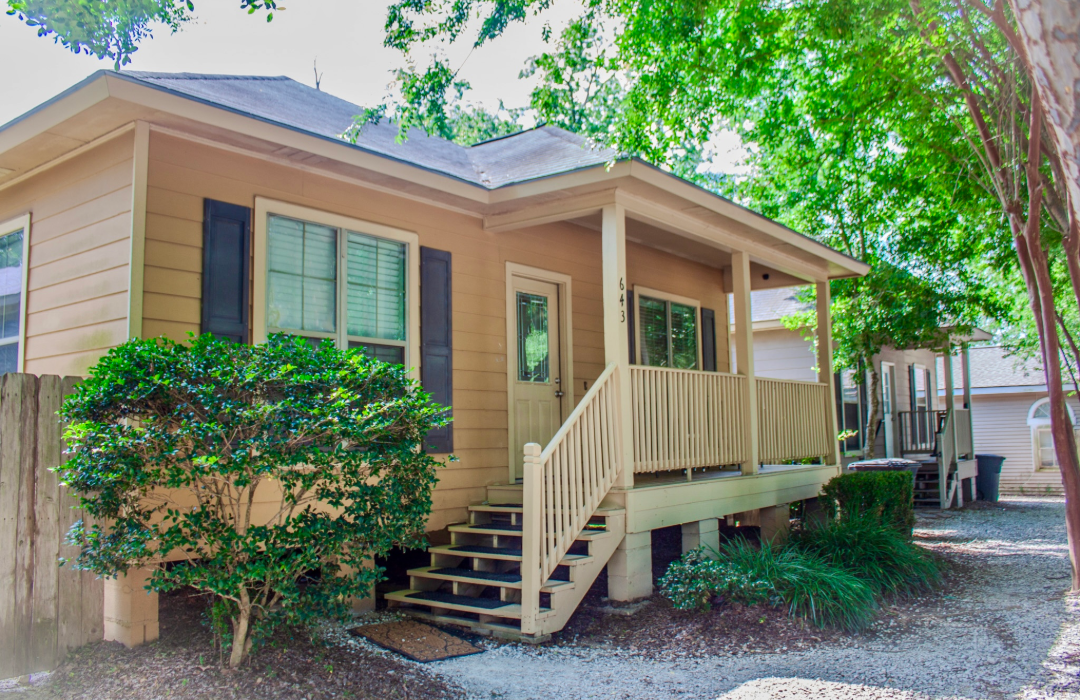
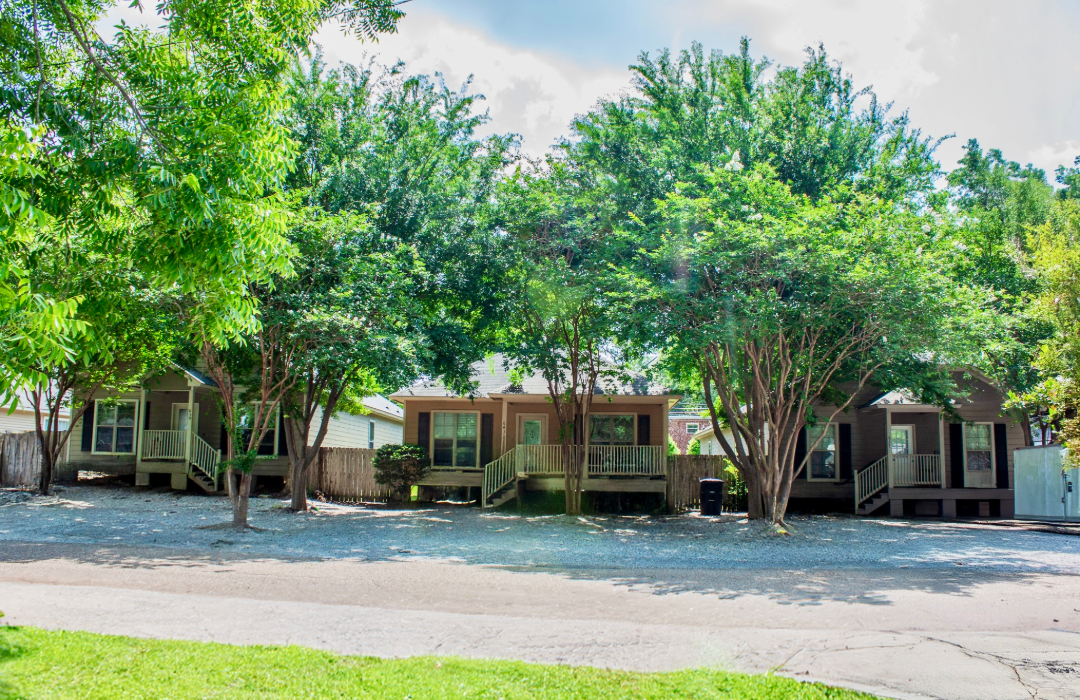
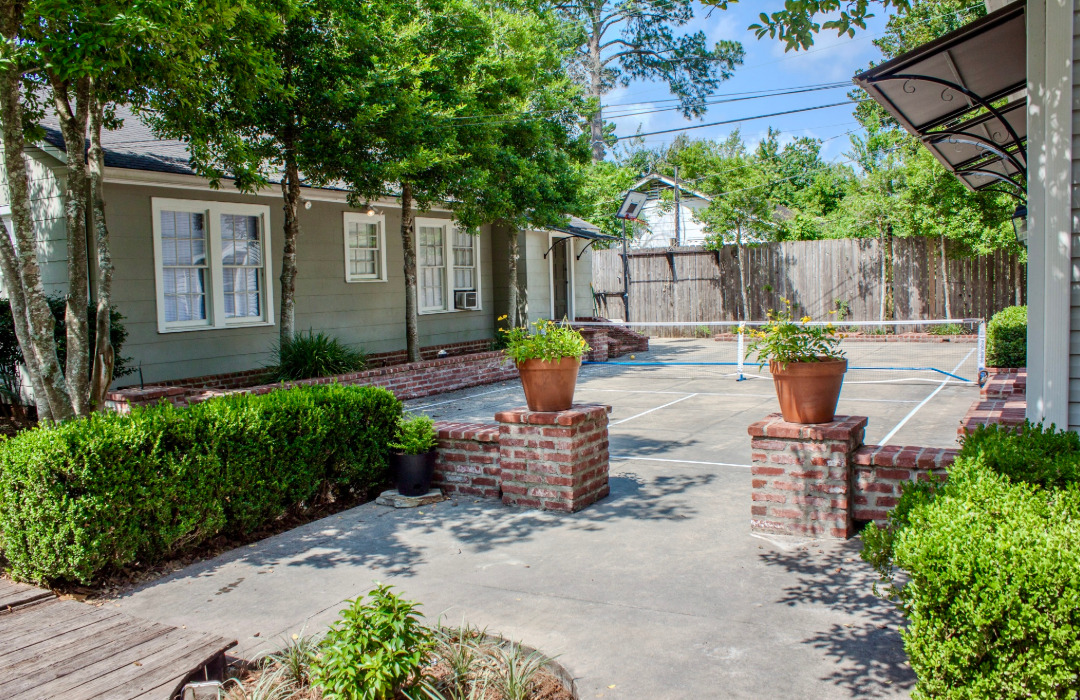
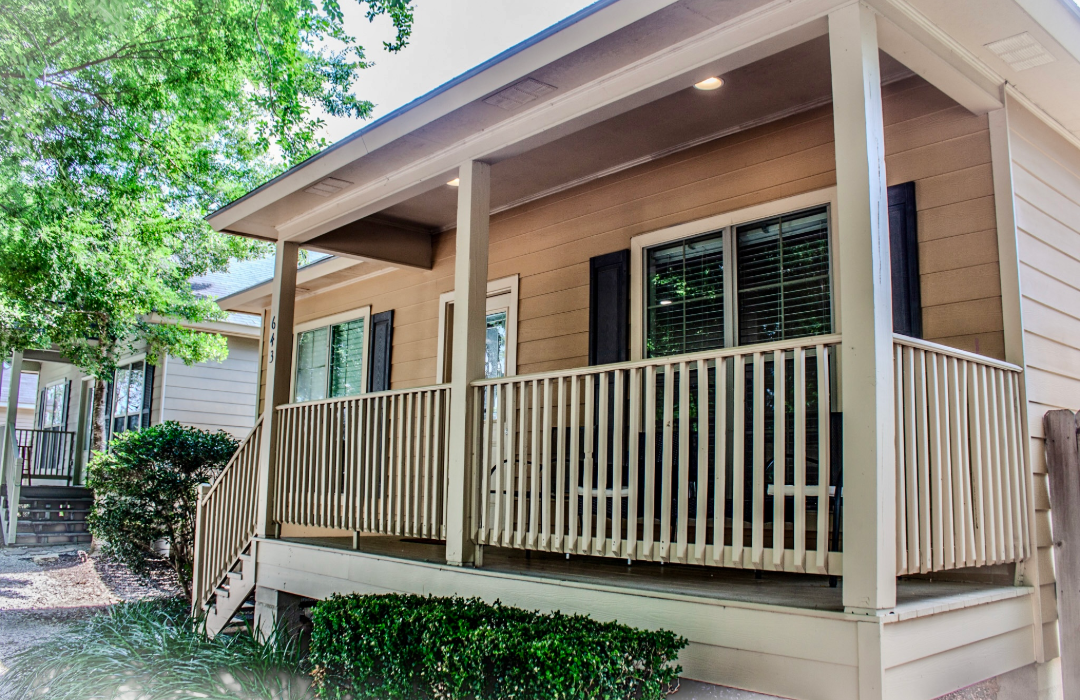
Community-based recovery living is where the daily work of sobriety is practiced in the context of real life with ongoing clinical support and peer accountability in place.

Men live alongside peers who are committed to the same goals, in a structured, substance-free environment built around daily routines, shared accountability, and meaningful engagement with work, education, and the Baton Rouge recovery community. Community meetings, household responsibilities, and active recovery participation are part of daily life. Employment and educational pursuit are expected.

Clinical support remains fully accessible throughout this phase. Ongoing therapy, psychiatric services, and medication management continue as part of each client's overall recovery plan. Case management helps navigate the practical reintegration challenges that arise, including employment, finances, and family relationships.

The environment is sober by rule and sober by culture. The men who live here chose to be here. That shared commitment creates something that generic transitional housing rarely achieves: a genuine peer community invested in each other's success.

This is not a halfway house. It is a purposefully designed therapeutic community backed by 25 years of continuum-based care, CARF accreditation, and a clinical team that knows its residents because many of them came through this same program.

Aftercare & Monitoring

Aftercare and monitoring is where the community built throughout treatment becomes the architecture of daily sober life.

Our team works with each client to develop a comprehensive, individualized aftercare plan that accounts for treatment progress, mental health needs, personal goals, family dynamics, and the specific risks and resources present in their lives outside of treatment.

That plan may include continued therapy sessions, psychiatric follow-up and medication management, recovery coaching, connection to 12-Step community resources in Baton Rouge, alumni program participation, and clinical monitoring protocols tailored to each client's specific situation.

Clinical monitoring involves regular scheduled check-ins with our clinical staff, progress evaluations, and where appropriate, drug and alcohol screenings that provide documented accountability for clients whose legal, professional, or family circumstances require it. These touchpoints are a structured expression of the long-term commitment St. Christopher's makes to every man who has been through our programs.

The STC Alumni Program: Long-Term Recovery Community in Baton Rouge

The community that forms inside St. Christopher's programs does not dissolve when formal treatment ends. It continues, deliberately and actively, through an alumni network that keeps men connected to each other and to STC long after their last day of structured care.

Alumni participate in weekly meetings that provide consistent space for reflection, peer connection, and mutual accountability. They return to campus for events and service opportunities. Many take on mentorship roles alongside men who are currently in earlier periods of treatment, a contribution that simultaneously strengthens their own recovery and provides the kind of lived-experience perspective that no clinical intervention can replicate.

The research on peer support and long-term sobriety is clear: men who remain embedded in a sober peer community after discharge have significantly better long-term outcomes than those who return to their previous social environments without that connection. Our alumni program is a clinical asset built into the design of our continuum.

26-STC-0211-Website7

Continued Mental Health & Dual Diagnosis Support

For the many men who are managing co-occurring mental health conditions alongside their recovery, sustained psychiatric and psychological support is not optional. It is clinically necessary. Untreated or undertreated mental health conditions are among the most significant relapse risk factors in the year following discharge from acute treatment.

Our aftercare framework ensures that every client leaves structured living with a clear, actionable plan for continued therapy, psychiatric evaluation, and medication management. Continuity of mental health care through the transition out of structured treatment is built into our discharge planning process from the start, not appended at the last minute.

Learn About Co-Occurring Disorder Treatment
26-STC-0211-Website7

Family Support Through Long-Term Recovery & Aftercare

Recovery changes families. The patterns that formed around a loved one's addiction do not resolve automatically when the man in treatment gets sober. Families need their own support through the transition, and healthy family involvement in long-term recovery consistently improves outcomes for the men we serve.

St. Christopher's extends its Family Program throughout a client's entire time with us, including monthly workshops, weekly virtual support groups, and one-on-one consultations with our family program director. As clients move through structured living and into aftercare, healthy family relationships become an increasingly important factor in long-term recovery outcomes. We invest in that work deliberately.
Learn About Our Family Program

When Setbacks Happen: Responding to Relapse in Long-Term Recovery

Recovery is not linear. Relapse happens, and at St. Christopher's we treat it as clinical information: a signal that the current level of support is not sufficient and that the care plan needs to be adjusted.

When a client in Long-Term Recovery experiences a relapse or significant emotional crisis, our clinical team responds quickly to assess the situation, re-engage the client, and determine the appropriate response. In some cases that means a temporary return to a higher level of care. In others, more frequent monitoring check-ins or additional therapeutic support is sufficient.

The men who build lasting sobriety are not the ones who never fell. They are the ones who had a team standing by when they did. We are that team.

Insurance Coverage for Long-Term Addiction Recovery in Baton Rouge

Most major insurance plans cover components of long-term addiction treatment including extended care, structured recovery living, and aftercare services. Coverage varies by plan. Our admissions team works directly with insurance providers to verify benefits and help clients and families understand their options clearly before any commitments are made.

  • 26-MGB-0225-Website_Home-1
  • 26-MGB-0225-Website_Home-2
  • 26-MGB-0225-Website_Home-3
  • 26-MGB-0225-Website_Home-4
  • 26-MGB-0225-Website_Home-5
  • 26-MGB-0225-Website_Home-6

Frequently Asked Questions About Long-Term Addiction Recovery at St. Christopher's


  • What does long-term addiction recovery at St. Christopher's include?

    Our long-term recovery program encompasses structured therapeutic living, community-based recovery housing, and ongoing aftercare and monitoring. It is designed for men who are serious about giving their recovery the time and depth it requires, and it is where the clinical and personal work of earlier treatment gets applied to real life.

  • Can I enter this program from another treatment facility?

    Yes. Men who have completed residential treatment at another program are welcome to enter St. Christopher's long-term recovery program directly. Contact our admissions team to discuss eligibility and next steps.

  • Is this the same as a halfway house or sober living?

    No. While our long-term recovery program includes community-based recovery living, it is significantly more comprehensive than a standard halfway house or sober living arrangement. It is a clinically integrated program backed by CARF accreditation, a multidisciplinary clinical team, and 25 years of long-term treatment experience. The accountability structures, peer community, and access to ongoing clinical support are built into the design.

  • What happens if I relapse during long-term recovery?

    Relapse is not the end of recovery. Our clinical team responds quickly to assess the situation and re-engage the client with the appropriate level of support, whether that means additional clinical sessions, a return to a more structured phase of care, or more frequent monitoring check-ins.

  • Does insurance cover long-term recovery programs?

    Most major insurance plans cover components of long-term addiction treatment. Our admissions team can verify your specific coverage before you begin. Call 225-240-4461 or complete our online verification form to get started.

  • Can my family be involved in long-term recovery?
    Yes. Our Family Program extends through every phase of long-term recovery, including monthly workshops, weekly virtual support groups, and individual consultations with our family program director.

Begin Long-Term Addiction Recovery in Baton Rouge Today

If you or someone you love is ready to commit to the level of care that lasting recovery actually requires, or is coming from another program and looking for somewhere to continue the work, our admissions team is here around the clock.